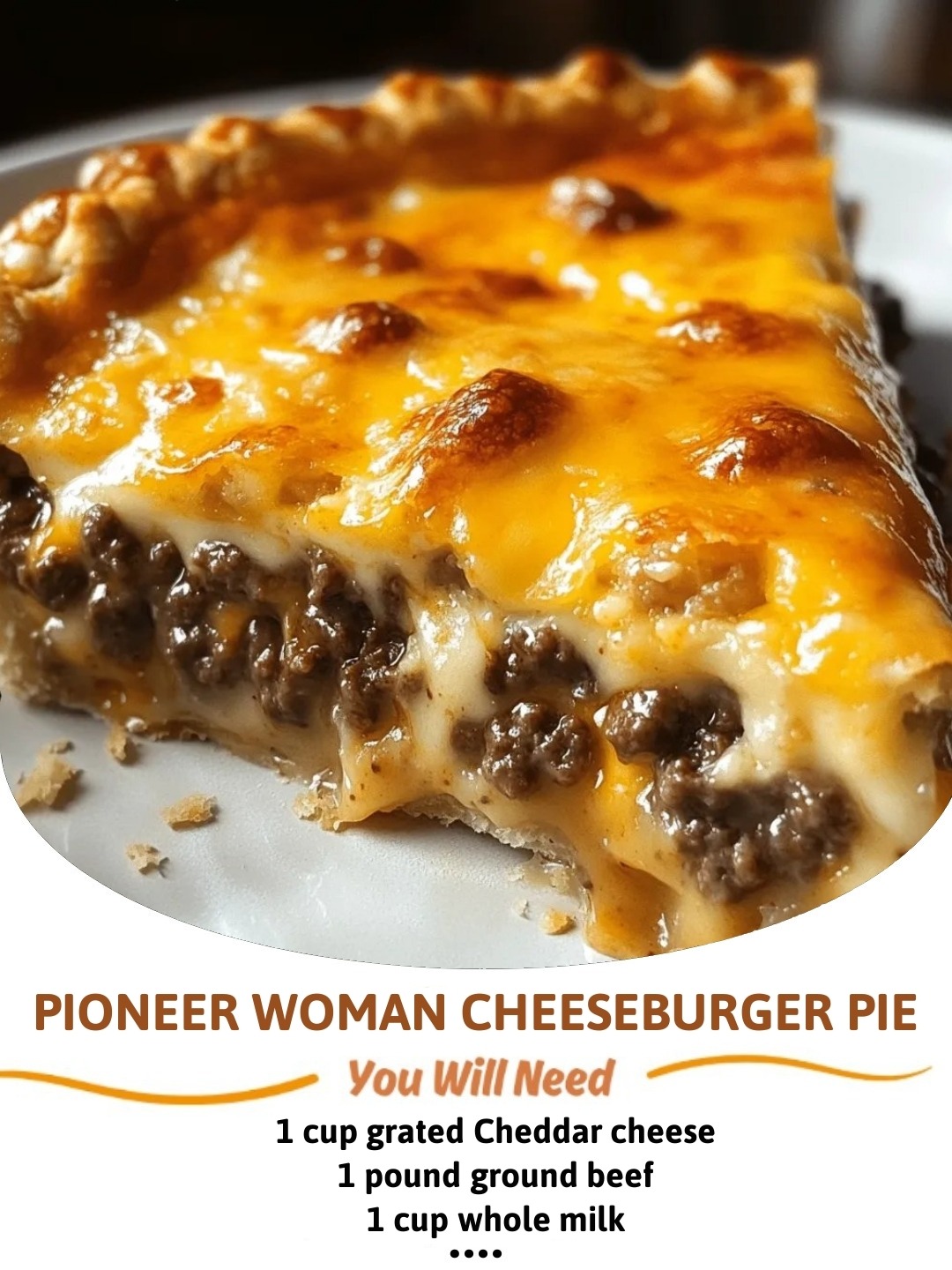
Now, for the topping. In my medium bowl, I whisk together the flour, baking powder, and salt. In my separate bowl, I whisk the milk and eggs until completely smooth and combined. I then pour the wet ingredients into the dry ingredients. I stir them together with my whisk until a thick, lumpy batter forms. I’ve learned that over-mixing makes the topping tough, so I stop as soon as the flour is incorporated. A few lumps are perfectly fine.
I pour this batter directly over the cheese and beef in the skillet. I use the back of my spoon to gently spread it to the edges, being careful not to disturb the layers underneath. The skillet goes straight into the preheated oven. I bake it for 25-30 minutes. The magic is in watching the top turn a deep, golden brown and puff up slightly. A toothpick inserted into the center of the topping should come out clean. I let it cool in the skillet for a solid 5-10 minutes before slicing—this allows the layers to set so you get a clean wedge.
Pro Tips for Best Results
I’ve tested the beef preparation three different ways: not draining, draining well, and blotting with paper towels. Draining the excess fat well after browning is the absolute key. Leaving too much grease makes the bottom layer soggy and can prevent the bottom of the topping from cooking through properly. I tilt the skillet and use a spoon to remove it, or carefully pour it into a disposable container.
Here’s what I learned the hard way about the batter: don’t overthink it. The first time, I beat it until it was smooth like cake batter. The resulting topping was dense and rubbery. The batter should be shaggy and lumpy, almost like a thick pancake batter. This texture bakes up into a tender, fluffy topping with a lovely, craggy surface.
For an extra flavor boost and to prevent a soggy bottom, I sometimes sprinkle a thin layer of fine, dry breadcrumbs or crushed saltine crackers over the beef layer before adding the cheese. This absorbs any remaining juices and adds a subtle texture. It’s a small step that guarantees a perfect slice every time.
Common Mistakes to Avoid
My biggest first-time mistake was using a skillet that wasn’t truly oven-safe. The plastic handle on my everyday frying pan started to smoke! Now, I use a well-seasoned cast-iron skillet or check that my stainless steel pan has an oven-safe handle. If you’re unsure, you can always transfer the beef mixture to a greased pie dish before adding the cheese and batter.
Another error is skipping the cooling time before slicing. I was too eager and cut right into it. The filling oozed out, and the slices fell apart. Letting it rest for at least 5 minutes allows the cheese to set slightly and the topping to firm up, giving you those perfect, photo-worthy wedges.(See the next page below to continue…)