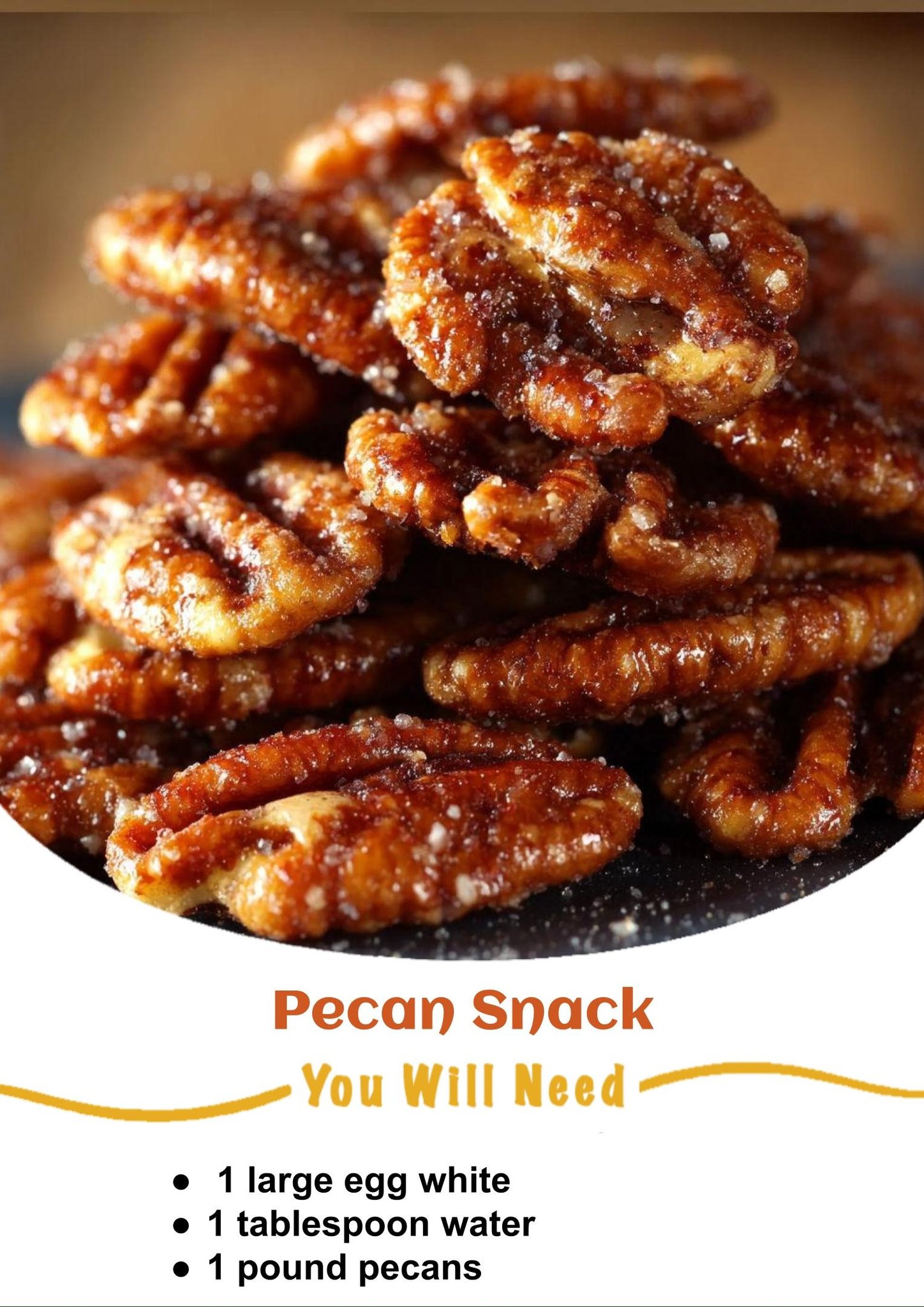
Now, I spread the coated pecans onto my prepared baking sheet in a single, even layer. I use the spatula to separate any big clumps. Getting them spread out is crucial for even cooking; if they’re piled on top of each other, they’ll steam instead of crisp. I slide the sheet into the center of my preheated oven. The waiting begins, and my kitchen starts to smell incredible.
I set my timer for 30 minutes, but here’s a critical tip I learned from experience: I give them a good stir every 10 minutes. This prevents any edges from browning too quickly and ensures all sides get that perfect golden color and crisp texture. They’re done when they’re fragrant, dry to the touch, and have a deep, toasted hue. I let them cool completely on the sheet—they crisp up even more as they cool!
Pro Tips for Best Results
I’ve tested this recipe three different ways, and the single most important factor is whipping the egg white and water adequately. You want it frothy enough to be a cohesive binder, but not so much that it’s meringue-thick. Think of the consistency of soap bubbles. This creates the ideal, light-as-air coating that crisps up beautifully without being tough.
Here’s what I learned the hard way about seasoning: if you plan to add salt or spices like cinnamon or cayenne, add them directly to the egg white mixture before adding the nuts. I used to sprinkle seasoning on top after spreading them on the sheet, and it would just fall off. Mixing it into the “glue” ensures every bite is perfectly and evenly seasoned.
Don’t rush the cooling process. I know it’s tempting to eat them warm (and they are delicious), but letting them cool completely on the baking sheet is what gives them that ultimate snap and crunch. The residual heat continues to dry them out. If you package them while still warm, they can get soft and lose that wonderful texture.
Common Mistakes to Avoid
The first time I made these, I got impatient and cranked my oven up to 350°F, thinking it would speed things up. Big mistake. The outside coating burned before the nuts inside could toast properly, leaving a bitter aftertaste. The low-and-slow 300°F method is absolutely essential for a perfect, even roast and crisp. Trust me, do not skip this step.
Another classic mistake I’ve made is overcrowding the baking sheet. If you dump all the pecans into a mound, they’ll steam in their own moisture and come out chewy instead of crunchy. It’s worth using two sheets if you need to, or simply baking in two batches. A single, sparse layer is the goal for that ideal texture.(See the next page below to continue…)