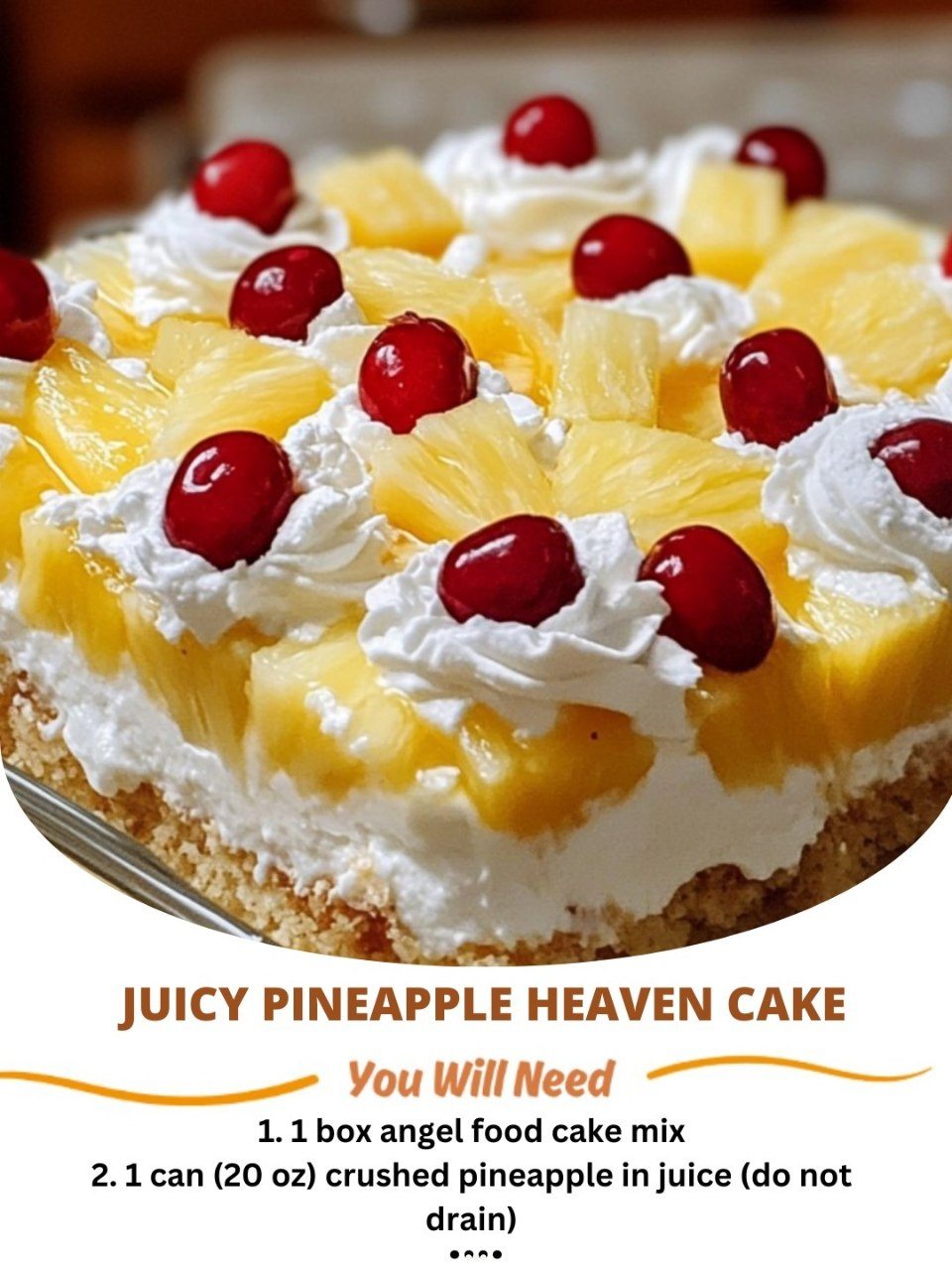
Once the batter is smooth and uniformly mixed (no dry pockets of mix remaining), I immediately pour it into the ungreased pan. It will be fluffy and almost cloud-like. I use my spatula to gently spread it into an even layer, being careful not to deflate it too much. Then, straight into the preheated oven it goes, on the middle rack. I avoid opening the oven door for at least the first 20 minutes. The cake will rise phenomenally high, forming gorgeous golden-brown cracks on top. The smell is absolutely heavenly—sweet pineapple and baking cake.
Baking time is crucial. The cake is done when the top is a deep golden brown, the cracks are dry, and the surface springs back lightly when touched. A toothpick inserted will come out clean, but the top may look quite dark, which is normal. I learned to not be afraid of the color. The first time, I pulled it out early because the top looked “done,” and the center was a sticky, undercooked mess. Once out of the oven, I immediately invert the pan onto a wire cooling rack. This prevents the tall, delicate cake from collapsing under its own weight. I let it hang there, upside down in the pan, until it is completely cool. This can take a good 1-2 hours, but it’s non-negotiable for the perfect texture.
Pro Tips for Best Results
I tested the mixing method three different ways: with a stand mixer, a hand mixer, and by hand with a whisk. The electric mixers incorporated too much air too quickly and created large, unstable air bubbles that collapsed in the oven, leading to a shorter, tougher cake. Mixing by hand with a whisk for a full two minutes is the perfect balance. It creates a stable foam with fine bubbles, ensuring that iconic tall, light, and tender crumb. Trust me, this one works better.
Here’s what I learned the hard way about the pan: material matters. I once baked this in a glass Pyrex dish. Glass retains heat differently, and the edges overcooked and stuck terribly while the center took forever to set. A light-colored metal pan (like aluminum) is your best friend. It conducts heat evenly and allows for that perfect golden rise without burning. If you only have a dark non-stick pan, reduce your oven temperature by 25°F and watch it closely.
For the cleanest slices and to showcase the beautiful airy texture, always use a serrated knife and a gentle sawing motion. A regular chef’s knife will crush the delicate cake. I run my knife under hot water and wipe it dry between slices. This gives me perfectly clean, beautiful pieces every time. Also, cutting it after it’s completely cooled is critical. Cutting into a warm cake will cause it to deflate and become gummy.
Common Mistakes to Avoid
My first cake was a disaster because I used a greased pan. I thought, “There’s no fat in this, it’ll stick horribly!” So I sprayed it with baking spray. The cake started to climb, then slowly slid back down the slippery sides as it baked, resulting in a dense, squat pancake with a weird, crispy crust. It was edible but ugly. Do not grease the pan. The cake needs to grip the sides to achieve its magnificent height.
Another classic mistake is under-mixing. The first time, I stirred just until combined, fearing I’d deflate it. I ended up with pockets of dry cake mix in the finished bake, which were unpleasant and chalky. You must mix vigorously by hand for the full two minutes. You’re not just combining ingredients; you’re activating the proteins in the mix and creating the structure. Don’t be shy—get your arm workout in.(See the next page below to continue…)