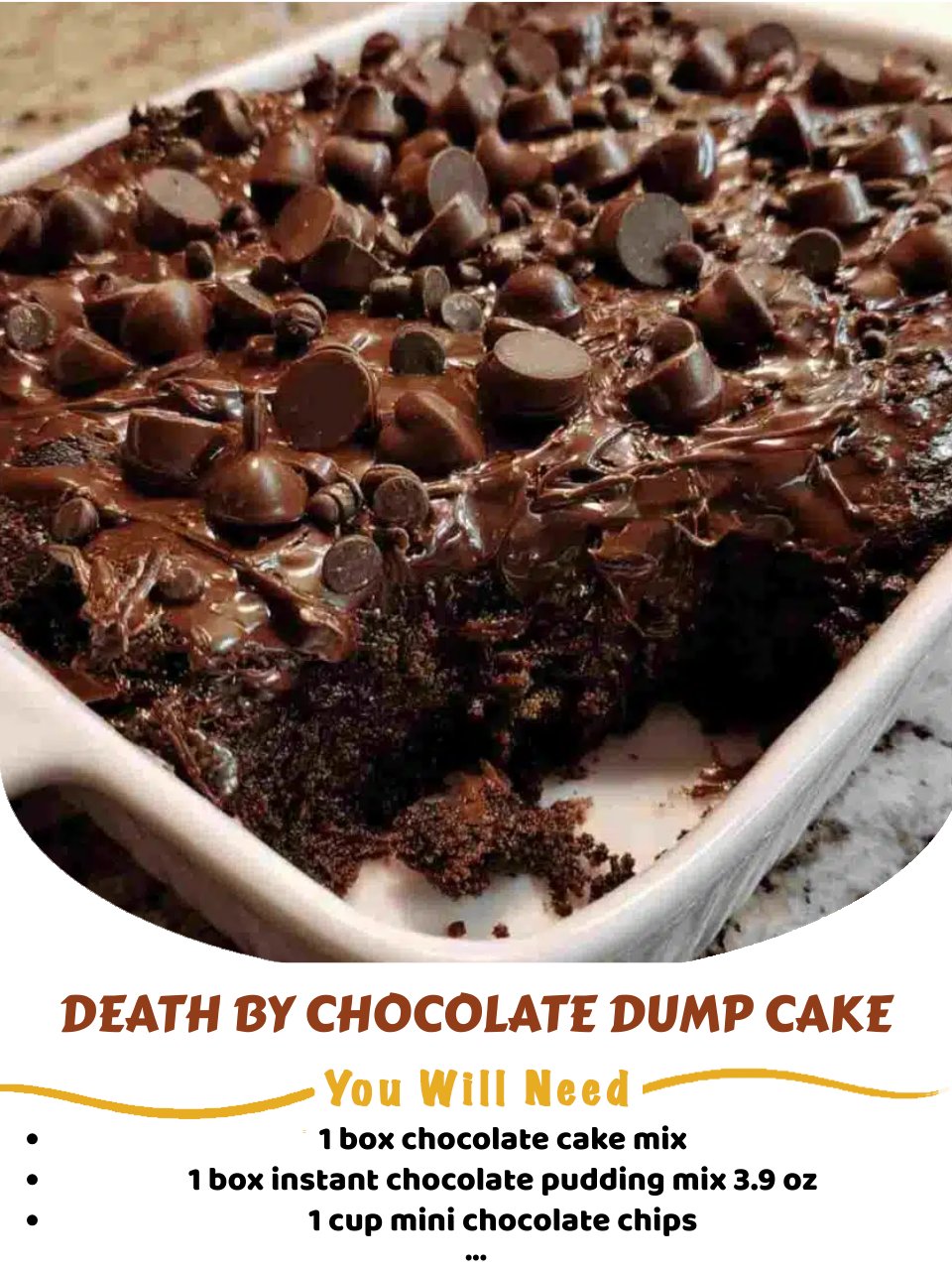
The final, most dramatic step is the butter. I melt the two sticks of butter in a saucepan until just liquid and slightly bubbling. Then, I slowly, deliberately pour the hot melted butter in a zig-zag pattern all over the top of the pan. I try to cover as much surface area as possible. This is what creates the famous “dump cake” top. As the butter hits the dry layers, it creates a marbled, swirling effect. I do not stir. I repeat: do not stir. I made that mistake once, and it mixed everything into a homogenous batter that baked up dense. The power of this cake is in the distinct, un-stirred layers.
I place the pan in the oven and let it work its magic. I set my timer for 10 minutes less than the recommended time. The cake is done when the top is uniformly set, dark, and crackly, and the edges are bubbling like a decadent brownie. A toothpick inserted will not come out clean—it should have moist crumbs and fudgy pudding on it. That gooey center is the goal. I let it cool on a rack for at least 30 minutes before serving. It will continue to set as it cools, transforming from lava-like to a perfect, spoonable consistency.
Pro Tips for Best Results
I tested the water distribution three different ways: pouring it all in one spot, drizzling it evenly, and mixing it with the melted butter first. Pouring in one spot created dry pockets of unmixed powder. Mixing it with the butter made the top greasy. The winner is slowly drizzling the cool water evenly over the dry layers before adding the butter. This gives the powders a chance to start hydrating and creates a more even texture beneath that buttery top crust.
Here’s what I learned the hard way about baking time and temperature: all ovens are different. The first time, I baked it for the full time on the cake mix box. The edges turned into chocolate bricks and the top was nearly burnt. For a 9×13 pan, I find 40-50 minutes at 350°F (325°F for glass) is the sweet spot. Start checking at 40 minutes. You want those bubbling edges and a set, crackly top, but remember, the center should still look a bit wobbly—it will firm up as it cools.
For the ultimate textural experience, let the cake cool almost completely. I know it’s torture. But if you dig in while it’s piping hot, it’s a delicious but soupy mess. Letting it cool for a good hour allows the pudding layer to fully set and the cake layer to absorb moisture. The result is distinct layers: a crisp top, a tender cake, and a firm, spoonable fudge pudding on the bottom. It’s worth the wait. I often make it in the afternoon for an evening dessert.
Common Mistakes to Avoid
My first cake was a floury disaster because I didn’t distribute the water well. I just splashed it in. Huge sections of dry cake and pudding mix remained powdery and uncooked in the finished bake. Now, I take my time, drizzling the water back and forth in a thin stream, almost like I’m watering a delicate plant. I might even use a spoon to gently push dry powder into wet areas, but I still never stir.
Another classic mistake is stirring the layers. I thought, “Surely I should mix this a little?” So I gave it a few folds with a spatula. This completely ruined the layered effect. It baked into a single-texture, heavy chocolate brick that was still tasty but missed the point entirely. The magic is in the separate, distinct strata that form when you leave it alone. Dump, layer, pour, bake. No stirring.(See the next page below to continue…)